
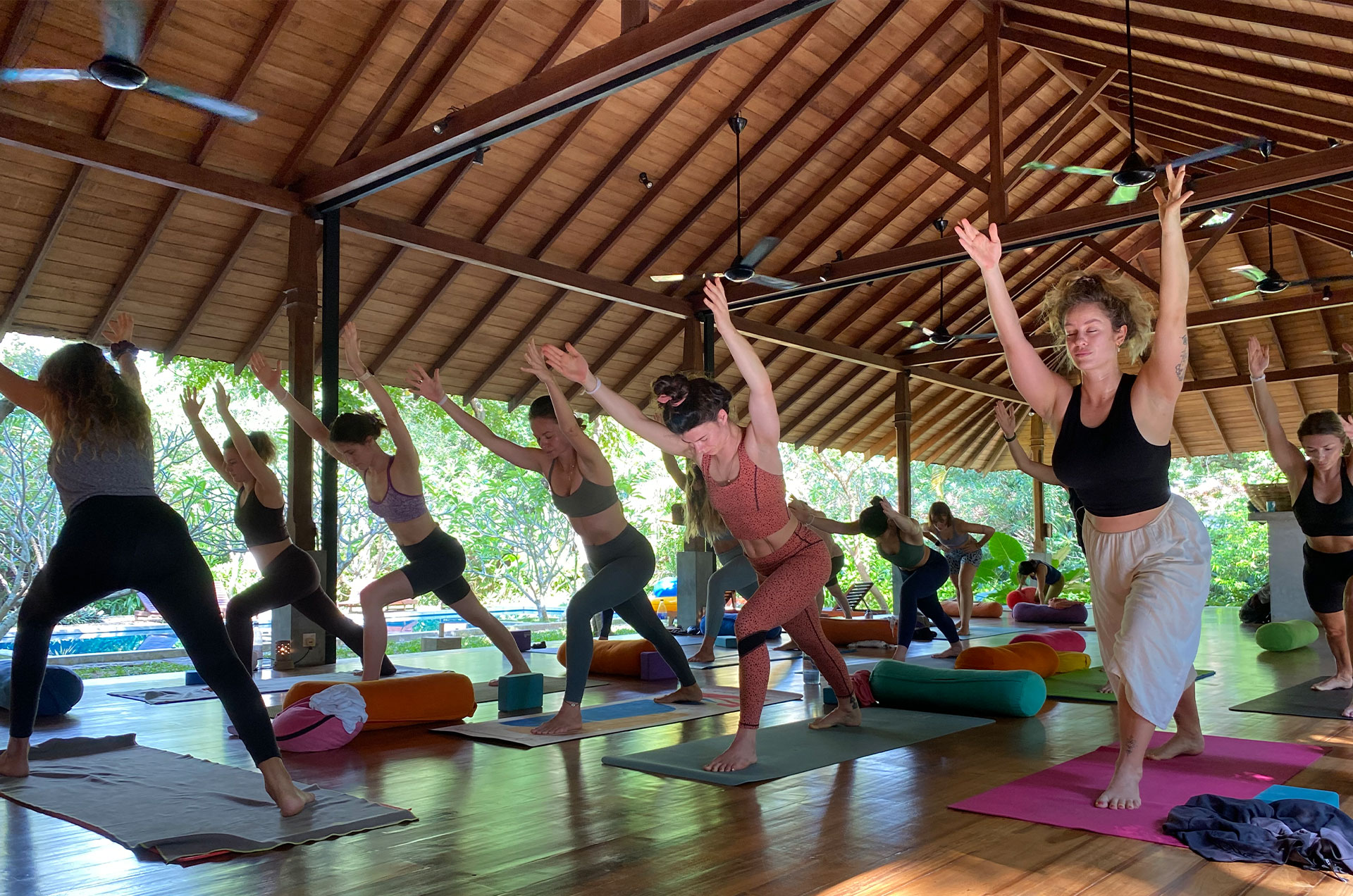
“Yoga is not about touching your toes, it’s about what you learn on the way down.”
Judith Hanson Lasater
The Essence and Goal of Yoga
Yoga, as defined in the ancient scriptures like the Yoga Sutras of Patanjali, is a holistic practice that seeks to unify body, mind, and spirit. It transcends physical exercise, aiming to quiet the mind’s waves and achieve union with the universe—a timeless quest for inner peace and spiritual realization. As we explore the four main branches of yoga, we uncover how each pathway contributes uniquely to personal growth and spiritual evolution.

Bhakti Yoga – Devotion in Motion
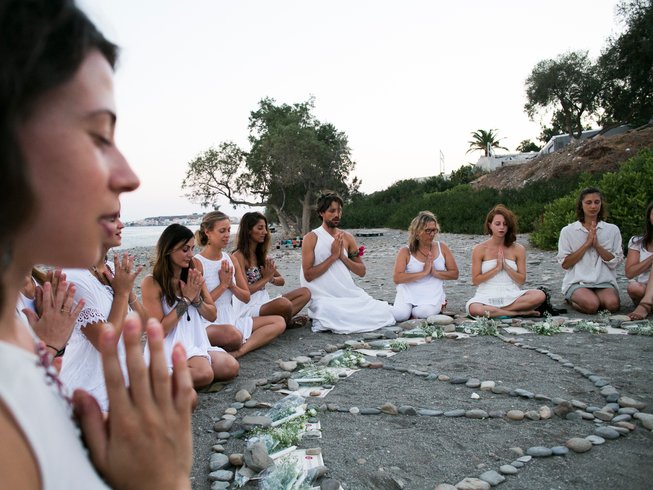
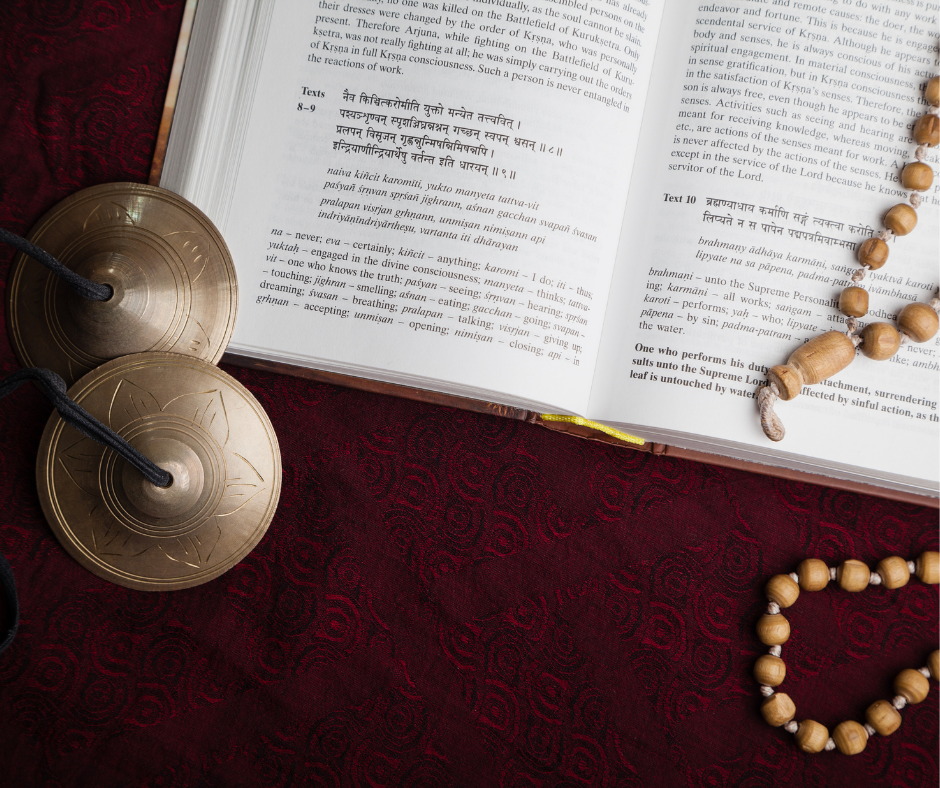
Bhakti yoga is the path of heartfelt devotion and love. On the mat, practitioners embody devotion through practices like chanting, singing kirtan, and performing rituals that honor their chosen deity or spiritual ideal. This deep connection with the divine extends beyond the mat into everyday life, influencing interactions with others through kindness and compassion. For example, a Bhakti yogi may find inspiration in daily acts of service and prayer, seeing each action as an expression of divine love and humility.
An example of living Bhakti yoga off the mat could be seen in the life of Mahatma Gandhi. Gandhi, known for his devotion to truth and non-violence, exemplified Bhakti yoga through his unwavering commitment to serving humanity. His daily prayers and selfless actions in advocating for social justice and equality were rooted in his profound devotion to a higher ideal. By applying the principles of Bhakti yoga in everyday life, practitioners can similarly infuse their actions with a sense of sacred purpose and compassion, fostering a more harmonious and loving world.
Karma Yoga – Action with Purpose
Karma yoga is the path of selfless action and service to others. On the mat, every movement and breath becomes an offering, a practice of gratitude for the body’s capabilities. Off the mat, Karma yoga inspires practitioners to engage in acts of kindness and service without expectation of reward. This can manifest in volunteer work, environmental stewardship, or simply offering a helping hand to those in need. By embracing Karma yoga, individuals cultivate a sense of purpose and interconnectedness with all living beings, fostering a community spirit both locally and globally.
A practical example of living Karma yoga off the mat is found in the work of Vandana Shiva, an environmental activist and advocate for sustainable agriculture. Shiva’s life is dedicated to serving the Earth and its communities through her activism and educational initiatives. Her efforts in promoting biodiversity and sustainable practices reflect the essence of Karma yoga, where each action is driven by a deep sense of responsibility and service to the planet and its inhabitants. By aligning actions with the principles of Karma yoga, individuals can contribute positively to their communities and the world at large, embodying the interconnectedness of all life.
Raja Yoga – Mastering the Mind
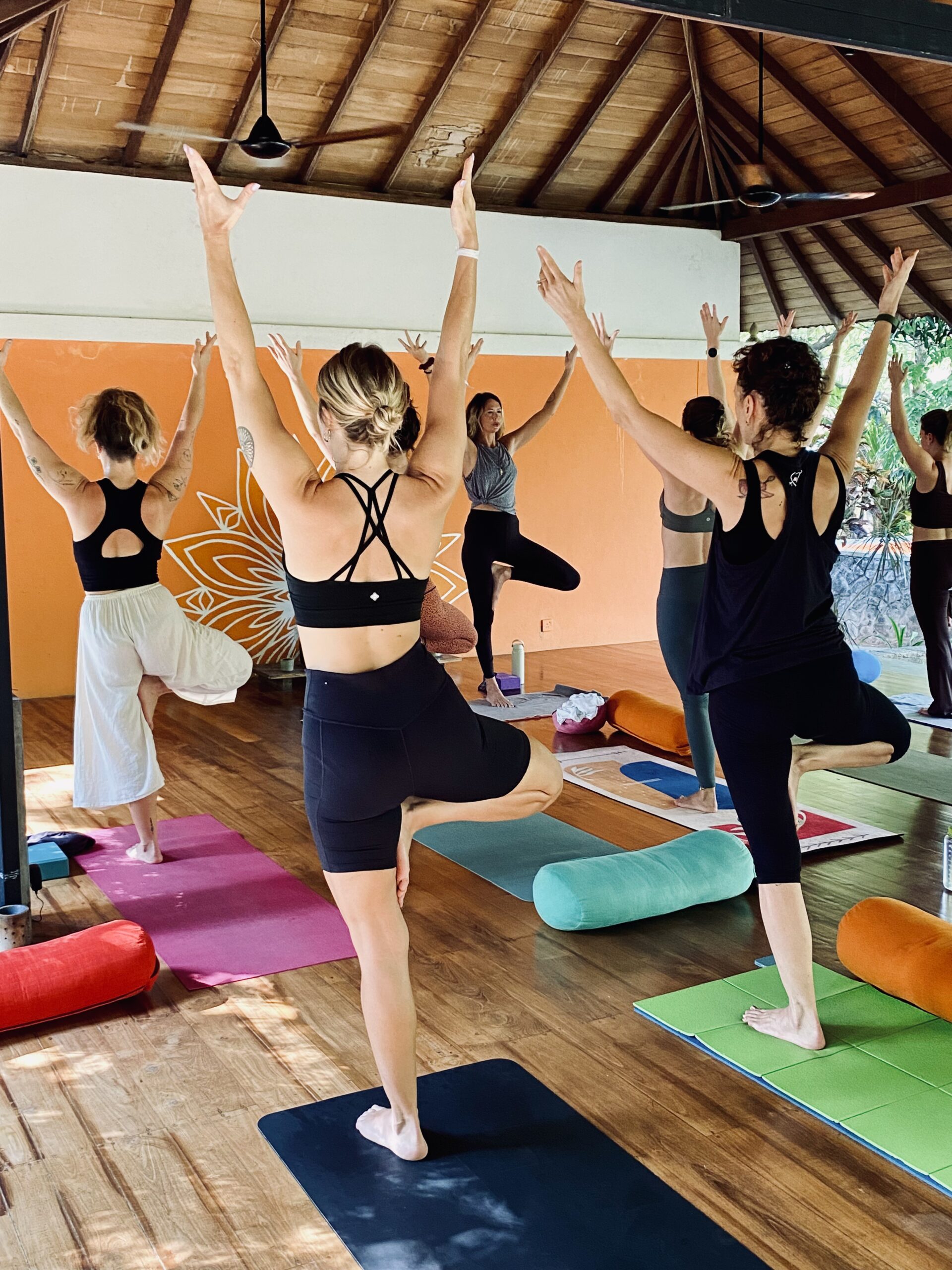
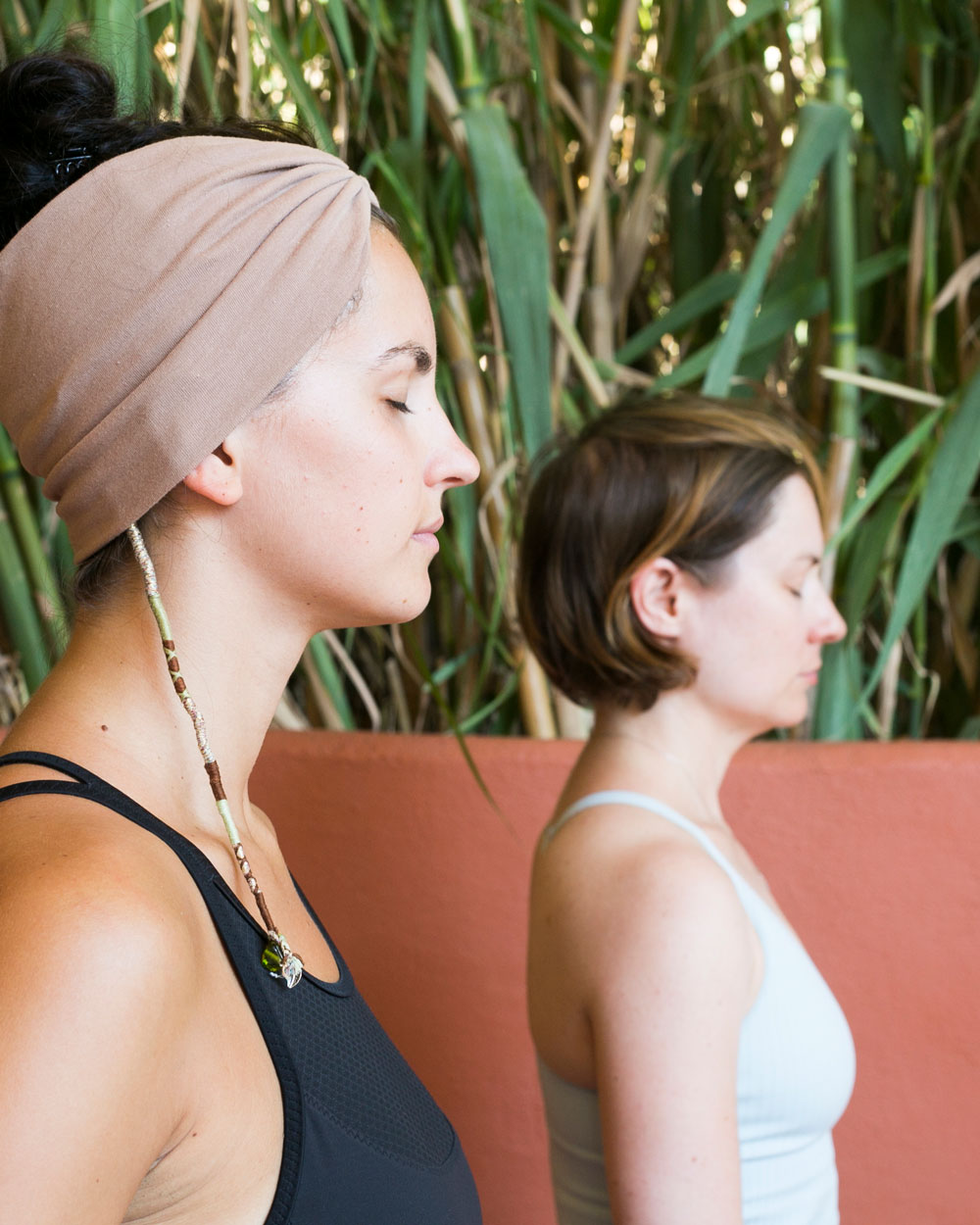
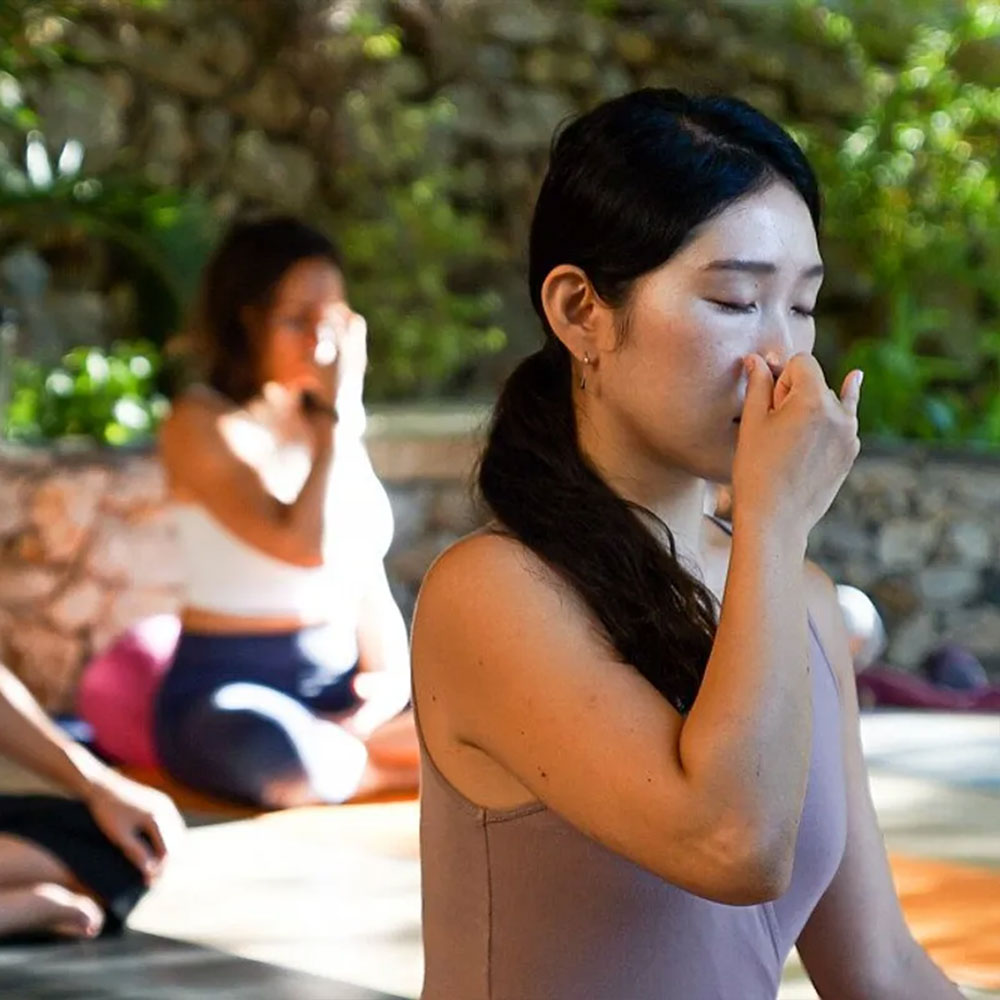
Raja yoga, also known as the royal path, focuses on mental discipline and meditation to achieve spiritual enlightenment. On the mat, practitioners explore techniques such as pranayama (breath control) and meditation to quiet the mind and enhance concentration. Off the mat, Raja yoga influences decision-making and emotional well-being by promoting mindfulness and inner peace. For instance, a Raja yogi may integrate daily meditation into their routine to manage stress and cultivate clarity in challenging situations, fostering resilience and mental clarity in all aspects of life.
An insightful example of Raja yoga in practice is found in the life of Matthieu Ricard, a Buddhist monk and scientist known for his extensive studies on happiness and mindfulness. Ricard’s lifelong dedication to meditation and contemplative practices exemplifies how Raja yoga can lead to profound inner transformation. Through his writings and lectures, he emphasizes the importance of cultivating compassion and inner peace as essential components of mental well-being. Ricard’s integration of meditation into everyday life serves as a powerful illustration of how Raja yoga principles can guide individuals towards emotional resilience and spiritual growth.
Jnana Yoga – Wisdom Unveiled
Jnana yoga is the path of wisdom and knowledge through self-inquiry and intellectual study. On the mat, Jnana yogis contemplate the nature of the self and the universe, deepening their understanding of spiritual truths. Off the mat, Jnana yoga guides personal growth and decision-making by encouraging critical thinking and discernment. Practitioners study sacred texts, engage in philosophical discussions, and seek to expand their intellectual and spiritual horizons. By embracing Jnana yoga, individuals cultivate wisdom and detachment (vairagya), transcending material desires and finding fulfillment in spiritual truth.
An exemplary figure embodying Jnana yoga principles off the mat is Dr. Jane Goodall, renowned primatologist and environmentalist. Goodall’s lifelong dedication to studying and preserving chimpanzees in their natural habitats is grounded in her deep intellectual curiosity and respect for the interconnectedness of life. Her approach to conservation reflects a profound understanding of ecological systems and a commitment to educating others about sustainable practices. Through her work, Dr. Goodall exemplifies how Jnana yoga can inform compassionate action and responsible stewardship of the Earth, inspiring others to pursue knowledge and wisdom for the betterment of our world.
Embracing Yoga’s Influence: A Holistic Approach
Each branch of yoga offers a transformative journey, enriching both personal practice and the ability to inspire others. By integrating these teachings into daily life, practitioners and teachers alike nurture spiritual growth, foster compassion, and navigate life’s challenges with grace and wisdom.
As we embrace yoga’s diversity and depth, let us honor its ancient wisdom by embodying these paths—Bhakti, Karma, Raja, and Jnana—in our daily lives. Through dedication and practice, may we discover profound connections within ourselves and with the world around us, uniting body, mind, and spirit in harmony and peace.