
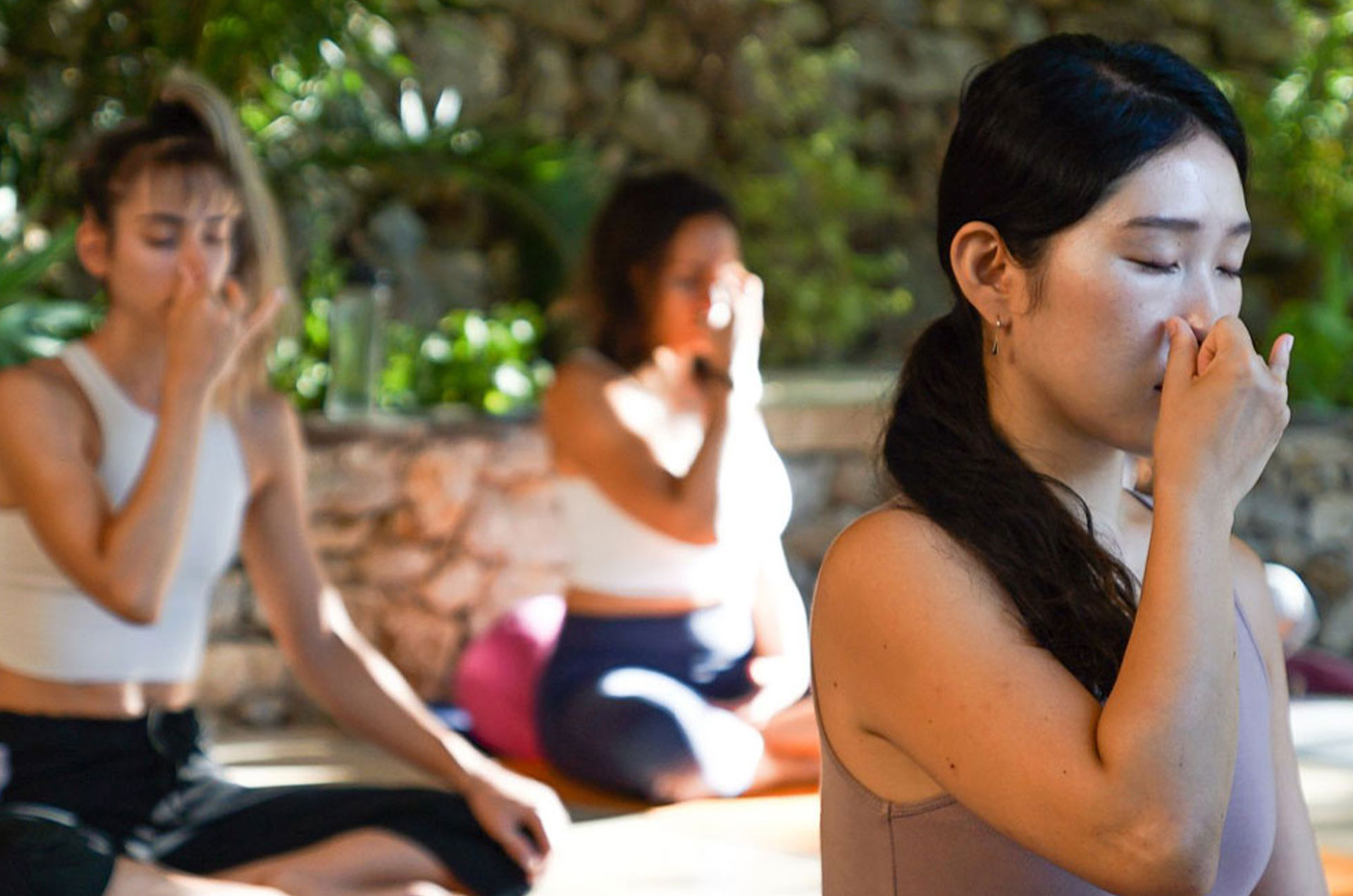
“Breath is the bridge which connects life to consciousness, which unites your body to your thoughts.”
Thich Nhat Hanh
Explore the importance of breathwork in yoga and its transformative impact on practitioners. Learn why techniques to regulate your breath are the game changer for your Asana practice, and build an understanding on how to teach breath awareness into your yoga classes.
In the world of yoga, the breath is much more than a mere physiological function. It is the essence of life, the vital force known as Prana, which sustains and nurtures us. Harnessing Prana through breathwork, or Pranayama, is a cornerstone of yoga practice, offering profound benefits that extend beyond the mat. This article delves into the significance of breath in yoga, explores various breathwork techniques, and provides insights for yoga practitioners and teachers on incorporating breath awareness into their practice and teaching.
The Essence of Prana
Prana, often referred to as “life force,” is the energy that permeates the universe and sustains all living beings. In yogic philosophy, Prana is essential for physical vitality, mental clarity, and spiritual growth. Breath, as one of the carriers of Prana, plays a crucial role in connecting the body, mind, and spirit. By learning to control and regulate the breath, we can influence our overall well-being and deepen our yoga practice.
The Transformative Power of Breathwork
Enhancing Asana Practice
Breathwork is a game changer for Asana practice. Proper breathing techniques can enhance the effectiveness of physical postures, improve flexibility, and increase stamina. For example, coordinating breath with movement in Vinyasa Yoga creates a fluid, dance-like flow, promoting a meditative state and heightened body awareness. In Yin Yoga, slow, deep breaths help release tension in the connective tissues, fostering relaxation and healing.
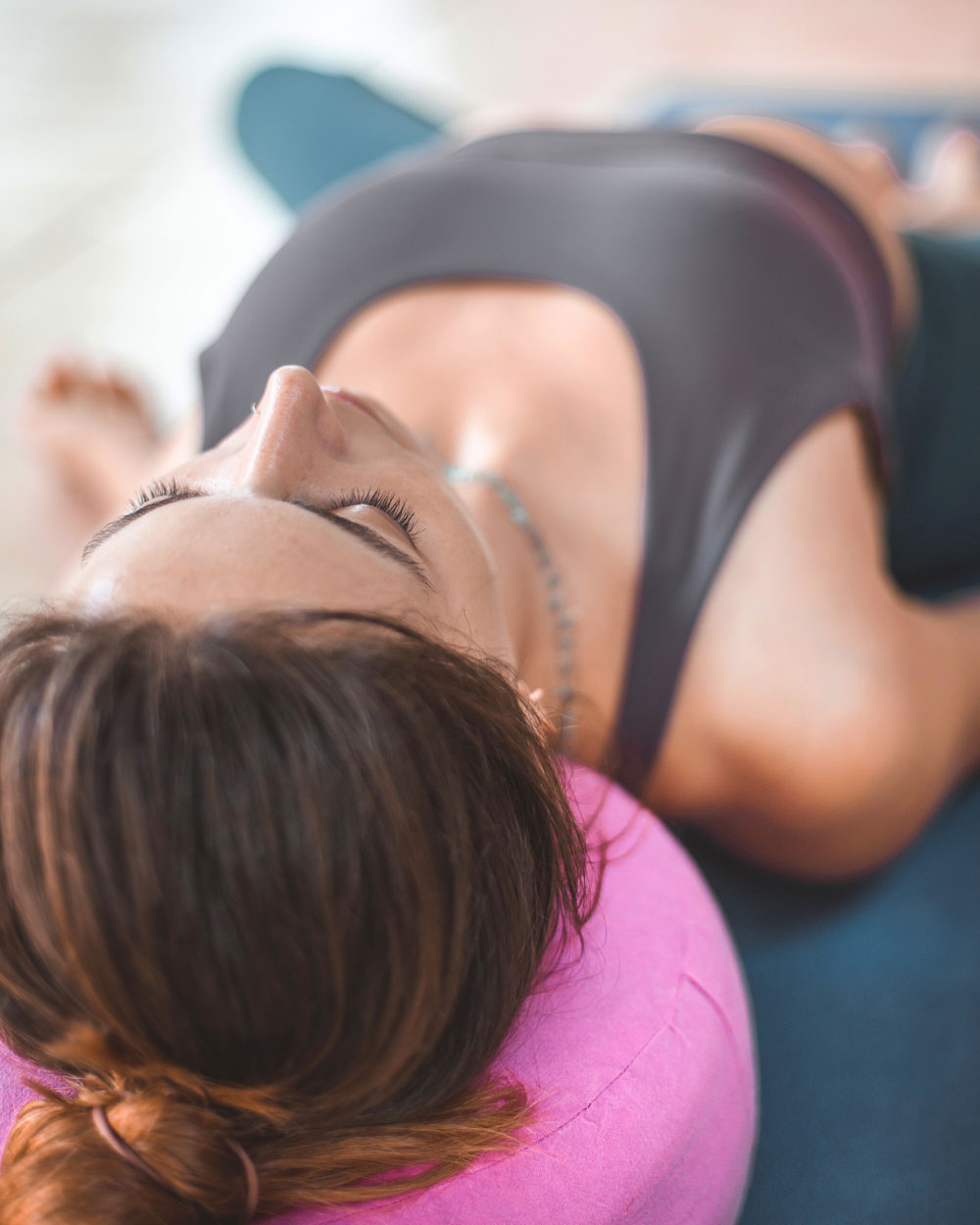
Deep, controlled breathing also helps maintain a lower heart rate and reduces overall exhaustion during practice. Activating the parasympathetic nervous system through deep breaths induces relaxation, preventing early fatigue and minimizing sweating. This leads to a more comfortable practice and helps avoid the flushed, red face often caused by hyperventilation. Integrating mindful breathing into your practice not only enhances physical performance but also promotes mental tranquility and physiological balance.
Cultivating Mindfulness and Meditation
Pranayama bridges the gap between the physical and mental aspects of yoga. Techniques such as Nadi Shodhana (alternate nostril breathing) and Kapalabhati (skull-shining breath) calm the mind, reduce stress, and prepare practitioners for deeper states of meditation. Breath awareness cultivates mindfulness, helping individuals stay present and focused during their practice and daily life. Learning preliminary breathing techniques gradually and moderately is key to engaging in these advanced Pranayama practices effectively. Starting with basic exercises, like rhythmic breathing and diaphragmatic breathing, helps build a strong foundation. For instance, practicing equal breathing (Sama Vritti) or simple 4-4-4-4 box breathing can enhance lung capacity and promote relaxation. This foundation ensures that practitioners can safely and confidently explore more complex techniques, enhancing both their physical and mental well-being.
Balancing the Nervous System
Breathwork has a profound impact on the nervous system. Slow, deep breathing activates the parasympathetic nervous system, promoting relaxation and reducing the stress response. This balance between the sympathetic and parasympathetic systems is crucial for maintaining overall health and well-being. Techniques like Ujjayi (victorious breath) and Sitali (cooling breath) can be particularly effective in achieving this balance. Ujjayi breath, characterized by a gentle constriction at the back of the throat, creates a soothing sound that calms the mind and lowers heart rate, fostering a meditative state. Sitali breath, involving inhaling through a rolled tongue, has a cooling effect on the body and helps reduce mental agitation and physical tension. By integrating these techniques into regular practice, one can harmonize the nervous system, leading to reduced stress levels and enhanced overall well-being.
Incorporating Breath Awareness into Yoga Classes
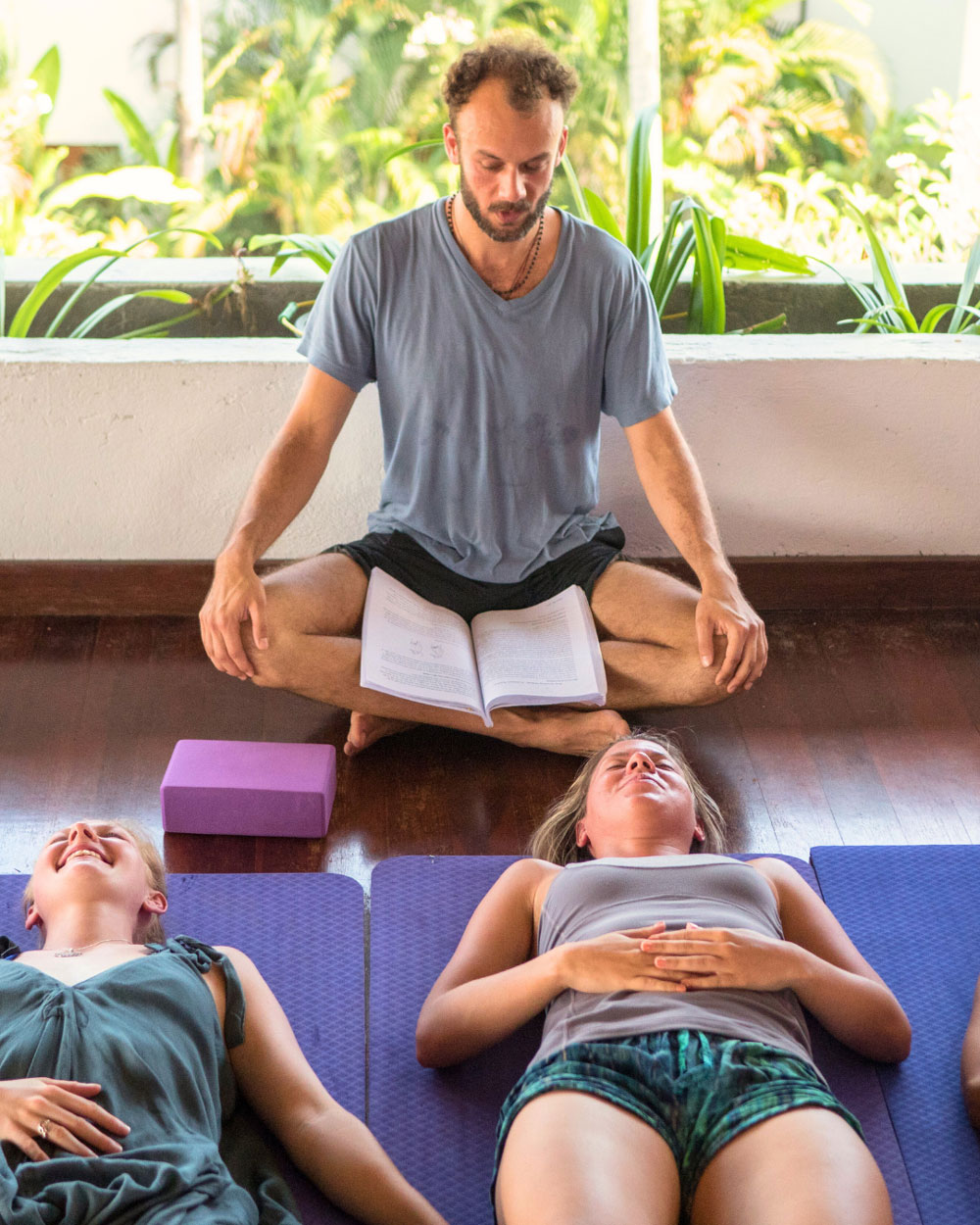
As yoga teachers, it is essential to emphasize the importance of breathwork in our classes. Begin each session with a few minutes of breath awareness, guiding students to connect with their breath and set an intention for their practice. Throughout the class, remind students to focus on their breath, using cues like “inhale to lengthen” and “exhale to deepen.” Integrate basic Pranayama techniques into your sequences, allowing time for students to explore and practice these vital skills.
Practical Tips for Teaching Breathwork
- Start Simple: Introduce basic breath awareness exercises, such as diaphragmatic breathing techniques, such as the full yogic breath, to help students develop a strong foundation.
- Progress Gradually: Once students are comfortable with basic techniques, introduce more advanced Pranayama practices, providing clear instructions and modifications as needed.
- Create a Safe Space: Encourage students to listen to their bodies and honor their limits. Remind them that it’s okay to take breaks and return to natural breathing if they feel overwhelmed.
- Incorporate Breathwork into Asana Practice: Use breath cues to guide students through their poses, emphasizing the connection between breath and movement. For example, in a Yin Yoga class, encourage long, slow breaths to facilitate deeper releases in the postures.
- Encourage Consistency: Remind students that regular practice is key to reaping the benefits of Pranayama. Suggest integrating breathwork into their daily routines, even if it’s just a few minutes each day.
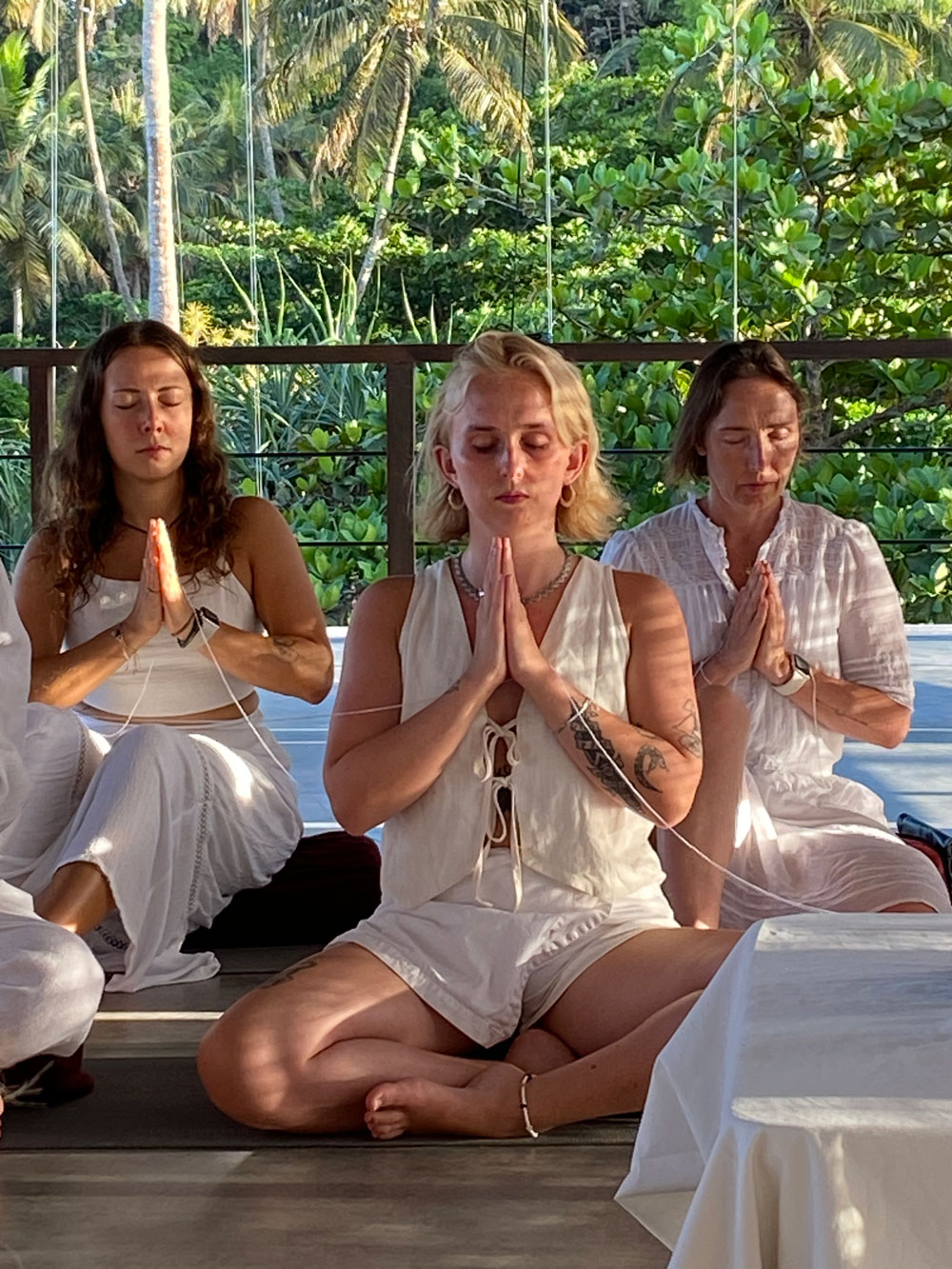

Breath is the cornerstone of yoga, a powerful tool that bridges the gap between body, mind, and spirit. By harnessing Prana through breathwork, we can enhance our Asana practice, cultivate mindfulness, and achieve a balanced, harmonious state of being. As yoga teachers, we have the privilege and responsibility to guide our students in discovering the transformative power of breath. Embrace the teachings of Pranayama and inspire your students to explore this profound aspect of yoga, enriching their practice and their lives.
Incorporating breath awareness into your practice and teaching is not just about mastering techniques; it’s about fostering a deeper connection with oneself and the world around us. As we journey together on this path of yoga, let us honor the breath, our most precious ally, and unlock the full potential of our practice.
Sources:
- “Light on Pranayama” by B.K.S. Iyengar**:
– Iyengar, B.K.S. (1981). Light on Pranayama. Crossroad Publishing Company. - “The Heart of Yoga: Developing a Personal Practice” by T.K.V. Desikachar**:
– Desikachar, T.K.V. (1999). The Heart of Yoga: Developing a Personal Practice. Inner Traditions International. - “The Science of Breath: A Practical Guide” by Swami Rama, Rudolph Ballentine, and Alan Hymes**:
– Rama, S., Ballentine, R., & Hymes, A. (1998). The Science of Breath: A Practical Guide. Himalayan Institute Press. - ‘The Yoga Sutras of Patanjali’ translated by Edwin F. Bryant:
– Bryant, E. F. (2009). The Yoga Sutras of Patanjali. North Point Press.
– Summary: This classic text of yoga philosophy emphasizes the importance of Pranayama as a key practice for achieving higher states of meditation and mindfulness.
- The Subtle Body: An Encyclopedia of Your Energetic Anatomy” by Cyndi Dale:
– Dale, C. (2009). The Subtle Body: An Encyclopedia of Your Energetic Anatomy. Sounds True.