
At the Shri Gaia Institute, nurturing aspiring yoga teachers is at the heart of our comprehensive Hatha/Vinyasa teacher training program. This article warmly invites you to explore our approach to intelligent sequencing through the holistic work around alignment, breath control, and the integration of yogic philosophy into our teachings. We will also delve into the importance of understanding biomechanics and the transformative experience offered by our intensive 200-hour training. Discover how the Shri Gaia Institute’s methodology fosters a holistic, safe, and deeply enriching training that transforms the yoga practice of both practitioners and future teachers.
Understanding Intelligent Sequencing
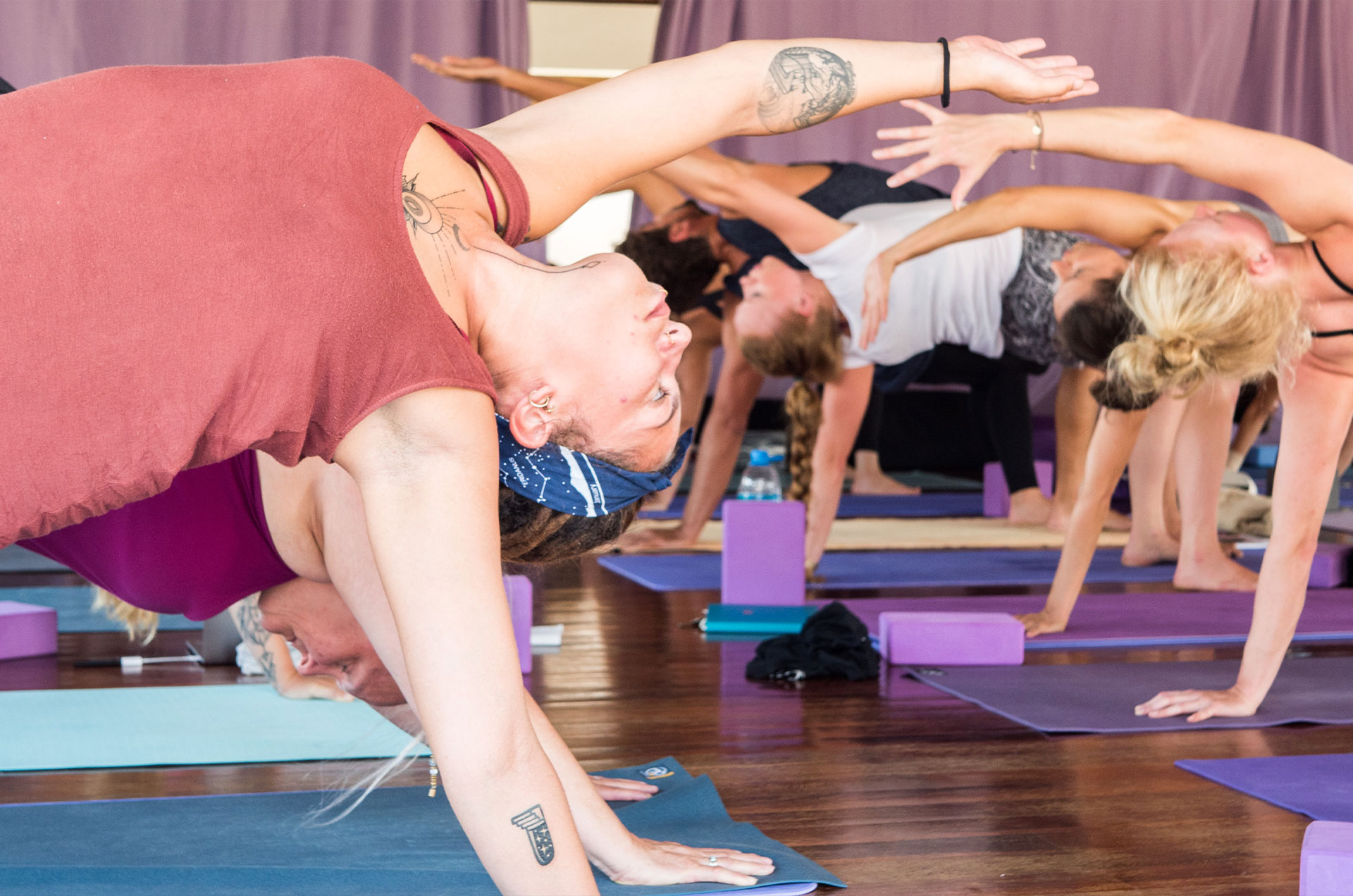
Intelligent sequencing is the cornerstone of an effective yoga practice and is central to the teaching at the Shri Gaia Institute. This approach involves arranging poses in a deliberate order to maximize benefits and ensure safety. In our Asana labs, we explore optimal alignment and recognize what poses need to precede and follow each other. The word “vinyasa” combines “order” and “placement,” reflecting the importance of a structured sequence. By setting a clear intention and progressing from simpler to more complex poses, we create a balanced practice. Understanding anatomy is crucial, allowing teachers to design sequences that are safe and effective. This mindful sequencing not only enhances physical practice but also teaches us about the flow of life, fostering awareness and composure.
A key goal is to create a sattvic effect, a state of calm alertness and clarity. Depending on the students’ needs, this might involve a dynamic or gentle practice. Skillful sequencing and asana choice are vital in achieving this desired effect. This methodology is an integral part of our yoga teacher training, ensuring that aspiring teachers can cultivate a holistic, safe, and deeply enriching yoga practice.
Alignment and Its Importance
Transitioning from sequencing to alignment, proper alignment is fundamental in yoga practice. It not only prevents injuries but also ensures that each pose is performed correctly to achieve its full benefits. Let’s delve into the key aspects of alignment.
Increasing awareness of our physical postures ensures they are both safe and beneficial. Exploring optimal alignment for each individual body requires skill and experience, but it is crucial to avoid common injuries and to reinforce the body’s natural healing abilities. Proper skeletal alignment allows muscles to develop their fullest potential in strength and flexibility, enhances circulation in connective tissues, and ensures an unobstructed flow of blood and energy throughout the system, including vital organs.
Each body is unique, and alignment cues should be tailored to individual needs. This might involve using props like belts, blocks, and walls to support the body and achieve the correct alignment. Understanding the biomechanics of each pose helps in providing precise alignment cues. For example, in a forward fold, engaging the quadriceps can help protect the hamstrings and lower back by supporting the stretch. Teachers at Shri Gaia learn how to provide hands-on adjustments and use the power of verbal cues to help students refine their alignment. This mindfulness in alignment fosters body awareness and encourages a deeper connection between mind and body.
Breath Control (Pranayama)
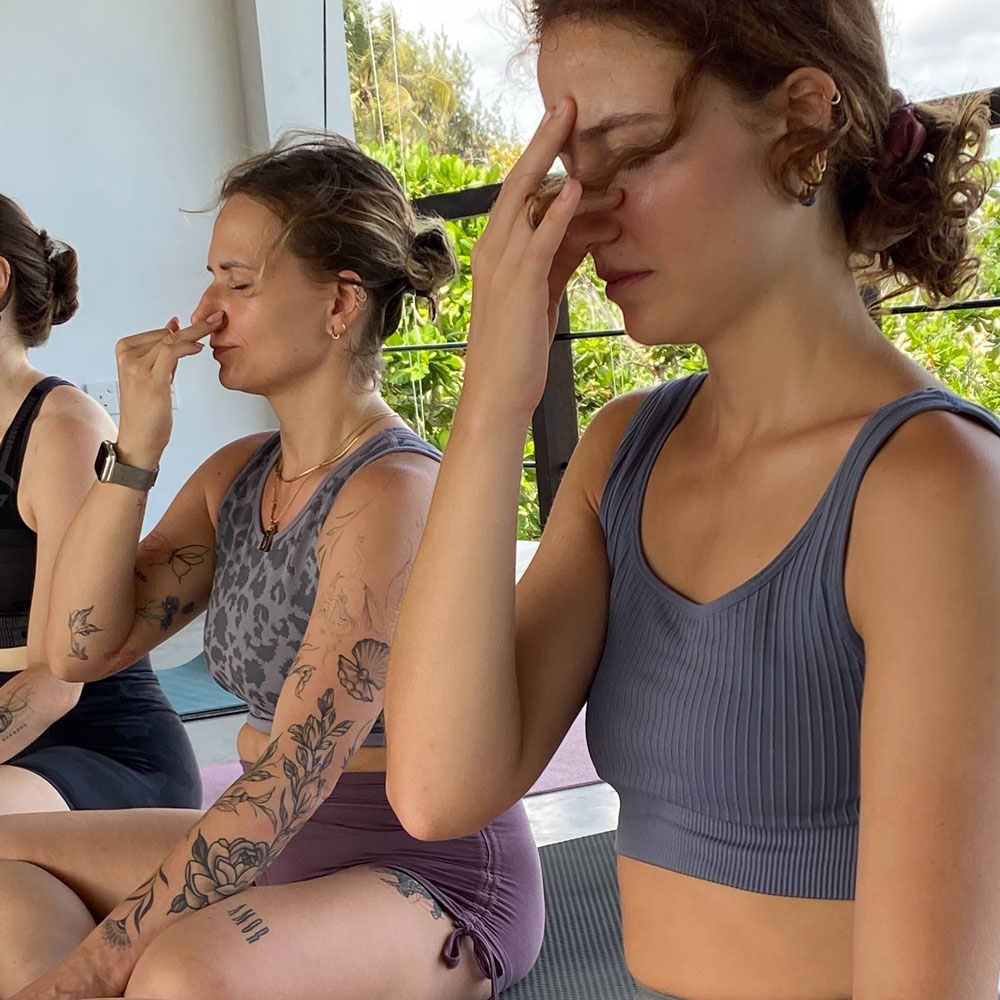
Following alignment, breath control, or pranayama, is integrated seamlessly into the training practice at Shri Gaia. Pranayama not only enhances the physical aspects of yoga but also brings mental clarity and emotional balance. Our teachers will explore the principles of breath control.
Each movement is synchronized with an inhale or exhale, creating a flow that enhances the practice. For instance, in Vinyasa yoga, moving into a pose is often done on an inhale, and moving out of a pose is done on an exhale.
Practitioners are encouraged to maintain awareness of their breath throughout the practice. This awareness helps in staying present and focused, reducing stress and anxiety.
Various pranayama techniques are taught, such as Ujjayi (Victorious Breath), Nadi Shodhana (Alternate Nostril Breathing), and Kapalabhati (Skull Shining Breath). Each technique has specific benefits and applications, from calming the mind to energizing the body.
Integration of Yogic Philosophy
The Shri Gaia Institute’s yoga teacher training program is designed to offer more than just physical exercise; it provides a comprehensive journey into the essence of yoga. Through intelligent sequencing and proper alignment, aspiring teachers learn how to structure classes that are both safe and effective, maximizing the benefits of each pose. By tailoring alignment cues to individual needs and understanding the biomechanics of each posture, trainees ensure a practice that enhances the body’s natural healing abilities and promotes overall well-being.
Integration of yogic philosophy is a key component of the training, offering a holistic approach to the practice. The Yamas and Niyamas, ethical guidelines such as Ahimsa (non-violence), are emphasized to encourage a kind and respectful approach to the body and mind. Mindfulness and meditation are woven into the curriculum, fostering a deeper connection and presence in each moment. Discussions on foundational yogic texts like the Yoga Sutras of Patanjali and the Bhagavad Gita provide insights into the spiritual aspects of yoga, enriching the experience and understanding of its ultimate aim—union.
Students in this training program are guided to recognize the interconnectedness of all beings and the world around them. By balancing the body, emotions, and mind, the practice of yoga helps individuals feel lighter, more alive, and inspired. The comprehensive approach at Shri Gaia ensures that future teachers are well-equipped to guide their students toward a harmonious and balanced practice, embodying the true essence of yoga.

Biomechanics and Body Awareness
Transitioning to the scientific side, understanding the biomechanics of the body is crucial for a safe and effective yoga practice. The 200-hour program at Shri Gaia includes an in-depth study of how the body moves and functions in various poses. Here are some key elements.
Learning which muscles should be engaged in each pose helps in maintaining proper alignment and preventing injury. For example, engaging the core muscles in a plank pose helps protect the lower back.
Understanding how different poses affect the joints helps in creating sequences that promote joint health and mobility. For instance, ensuring that the knees are aligned with the ankles in a warrior pose helps protect the knee joint.
Not all poses are suitable for every body. Learning how to adapt poses to accommodate individual needs and limitations ensures that everyone can practice safely and effectively.
The Transformative Experience
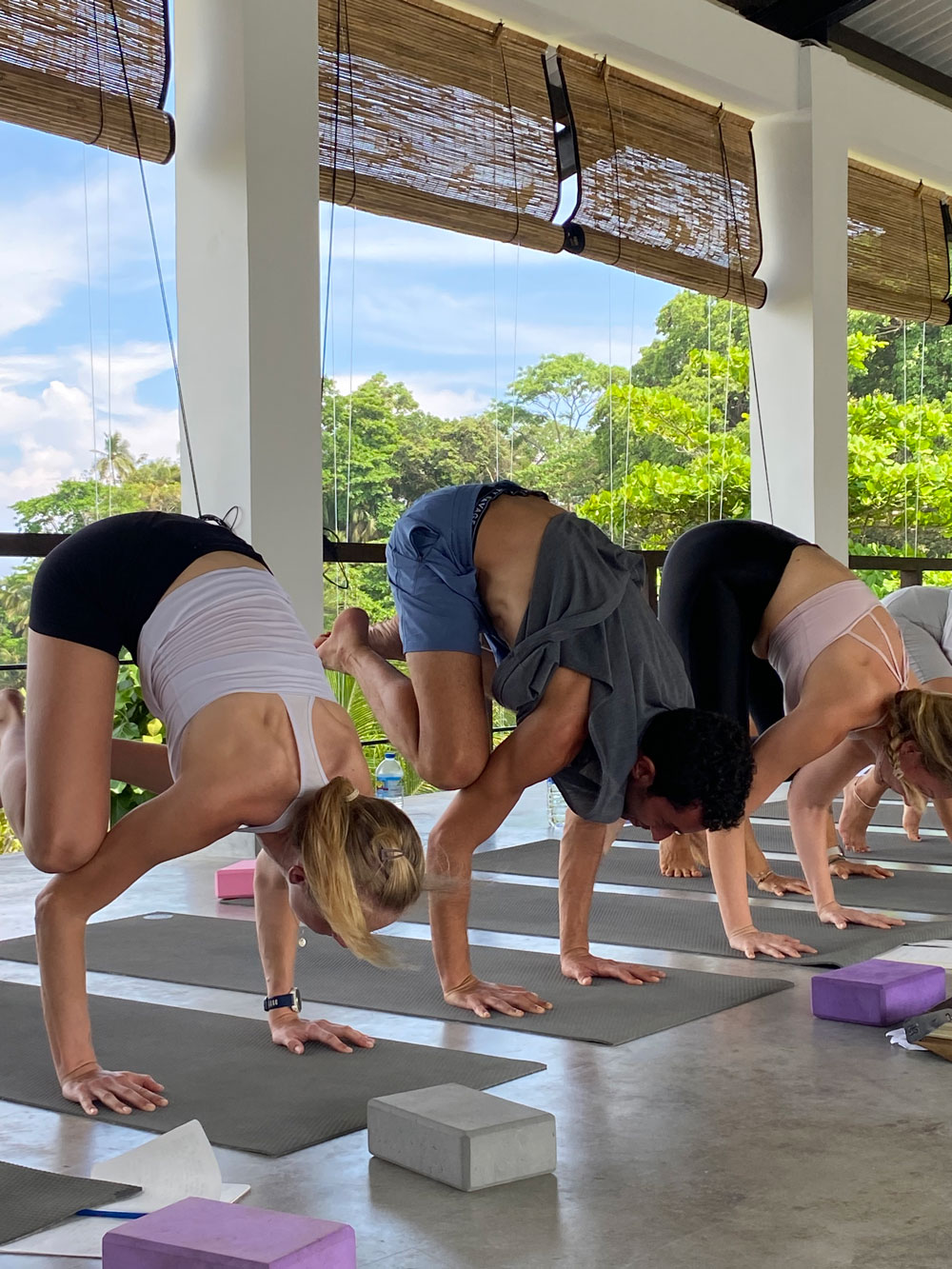
As we bring all these elements together, the intensive 200-hour program at Shri Gaia is designed to be a transformative journey. It combines rigorous practice with in-depth learning, fostering personal growth and self-discovery. Here are some aspects of this transformative experience.
The program covers all aspects of yoga, from physical practice to philosophy, anatomy, and teaching methodology. This holistic approach ensures that students develop a well-rounded understanding of yoga.
The challenges and insights gained during the program help students grow both personally and professionally. Overcoming physical and mental obstacles in practice builds resilience and self-confidence.
Practicing and learning together creates a strong sense of community. This support network enhances the learning experience and fosters lasting friendships and connections.
In conclusion, the Hatha/Vinyasa practice at Shri Gaia Institute is a comprehensive and enriching journey. By focusing on intelligent sequencing, proper alignment, breath control, and the integration of yogic philosophy, the institute offers a practice that is not only physically beneficial but also mentally and spiritually uplifting. This educational approach provides practitioners with the tools and knowledge to deepen their practice and teaching, fostering a transformative and holistic yoga experience.